
When organizations prepare for change, it's tempting to segment people by generation.
Boomers. Generation X. Millennials. Generation Z.
While generational differences can influence how people experience change, they rarely explain it on their own.
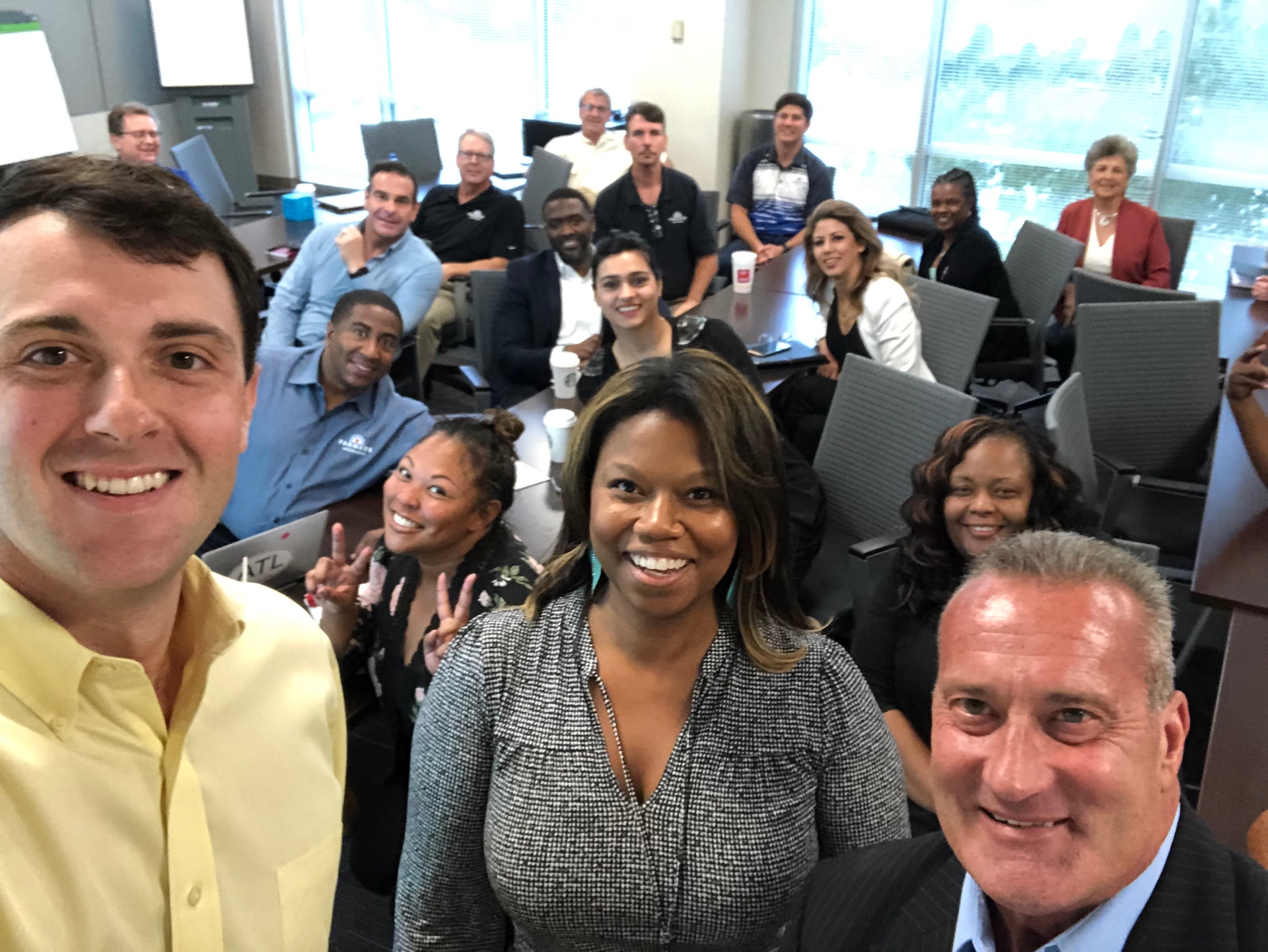
As digital-first distribution models gained momentum, a new generation of agency owners entered the business with different expectations. Technology wasn't an enhancement to their sales process. It was the sales process. Lead generation, digital marketing, automation, and CRM platforms were part of how they built and grew their agencies from day one.
At the same time, I worked alongside experienced agency owners, many from Generation X and the Baby Boomer generation, who consistently ranked among the highest performers in the organization. Their businesses were built on referral networks, community relationships, disciplined prospecting, and years of earned trust. Their processes weren't outdated. They were proven.
Neither approach was inherently better.
They were simply built on different experiences.
That distinction matters because organizations often assume technology adoption is primarily a generational issue. In reality, people adopt change through the lens of what has already made them successful.
An agent whose growth has always come from personal referrals will evaluate a digital lead platform differently than someone who has built an agency through online acquisition. An advisor who has spent decades refining face-to-face conversations may approach AI-enabled client engagement differently than someone who has never known the business without digital tools.
The question isn't whether one group embraces change more readily than another.
The question is whether leaders understand the psychology behind how different professionals evaluate change.
Every transformation asks people to reconsider habits that have contributed to their success. For some, that means learning something new. For others, it means deciding whether to let go of something that has worked remarkably well for years.
That is not simply a technology challenge.
It is a leadership challenge.
The most effective change leaders don't design one adoption strategy for an entire workforce. They recognize that adoption is influenced by experience, professional identity, business model, incentives, and the way individuals have learned to create value for their customers.
Understanding those differences doesn't divide organizations.
It equips leaders to communicate with greater precision, build trust more intentionally, and guide people through change in ways that respect where they've been while preparing them for where the business is going.
Technology may continue to reshape the insurance industry.
How leaders navigate the human side of that transformation will determine who thrives in it.